Frozen pipes represent one of the most common and costly winter hazards facing Okanagan property owners. Recent extreme cold events in December 2022 and January 2024 saw North Okanagan temperatures plummet to -33°C, with Areas of the South Okanagan reaching as low as -28°C. These conditions create significant risks for residential and commercial properties throughout the region. This comprehensive guide provides property owners, managers, and insurance professionals with proven strategies to prevent frozen pipes, recognize warning signs, and respond effectively to minimize water damage. Understanding and implementing these preventative measures can save thousands of dollars in restoration costs and protect property value.
Understanding Pipe Freezing in the Okanagan Climate
Temperature Threshholds and Regional Risk
Water freezes at 0°C (32°F), but pipes don't typically freeze until ambient temperatures drop to -7°C (20°F) or lower. However, several factors influence this threshold:
- Exposure level: Pipes in unheated areas obviously freeze faster than those in heated spaces
- Insulation quality: Uninsulated or poorly insulated pipes can freeze in as little as 3 hours at -7°C
- Pipe diameter: Smaller pipes (½ inch copper) freeze faster than larger diameter pipes
- Water flow: Static water freezes much faster than flowing water
- Wind chill: Exposed exterior pipes are vulnerable to wind-driven cold penetration
The Okanagan region experiences variable winter conditions, with periodic Arctic outbreaks capable of producing sustained sub-zero temperatures. The January 2024 cold snap saw temperatures 22°C below average across much of British Columbia, demonstrating the severity of extreme weather events that property owners must prepare for.
Why Frozen Pipes Burst
When water freezes inside a pipe, it expands by approximately 9%, creating immense pressure—up to 2,000 pounds per square inch. This pressure doesn't typically cause the pipe to burst at the freeze point. Instead, the expanding ice creates a blockage that increases water pressure between the blockage and a closed faucet. This sustained pressure causes pipes to rupture, often at joints, bends, or weakened sections.
High-Risk Areas in Okanagan Homes
Properties throughout North Okanagan, and surrounding communities commonly have vulnerable pipe locations:
- Exterior walls facing north (reduced sun exposure)
- Crawl spaces and unheated basements
- Attics with inadequate insulation
- Garages with water supply lines
- Outdoor faucets and hose bibs
- Pipes near foundation cracks or air leaks
- Vacation properties with reduced heating during absence
Comprehensive Prevention Strategies
Before Winter: Essential Preparation Steps
1. Insulate Vulnerable Pipes
Pipe insulation is your first line of defense against freezing temperatures. Focus on:
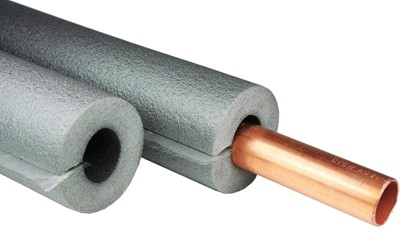
- Foam pipe sleeves: Pre-slit foam insulation provides excellent thermal protection and is easy to find & install on exposed pipes. You can find this type of insulation at all local hardware stores throughout the Okanagan.
- Heat tape or heating cables: Electric heating elements wrapped around pipes provide active warming. This type of strategy is particularly useful for problem areas with recurring freeze issues.
- Fiberglass insulation: For pipes located in wall cavities or enclosed spaces, fiberglass batting provides effective thermal protection.
Prioritize insulation in crawl spaces, attics, garages, and exterior wall locations. Ensure every joint, valve, and fitting is covered as gaps in insulation coverage create vulnerable freeze points.
2. Seal Air Leaks and Drafts
Cold air infiltration dramatically increases freeze risk. Conduct a thorough inspection:
- Check foundation walls for cracks or gaps where cold air can enter
- Seal openings around pipes where they penetrate exterior walls
- Use weatherstripping on doors and windows in utility areas
- Apply caulk or expanding foam to close gaps around electrical outlets, baseboards, and utility penetrations
- Install insulation in unheated spaces (garages, attics, crawl spaces)
3. Prepare Outdoor Water Systems
Outdoor plumbing faces the most severe exposure to freezing conditions:
- Disconnect and drain garden hoses: Remove all outdoor hoses, drain them completely, and store them for winter.
- Shut off outdoor faucets: Locate interior shutoff valves for outdoor faucets and close them. Open outdoor faucets to drain residual water.
- Drain irrigation systems: If you have a sprinkler system, schedule professional winterization or follow manufacturer instructions to blow out lines with compressed air.
- Protect hose bibs: Install insulated faucet covers on exterior spigots for additional protection.
4. Locate and Label Your Main Water Shutoff
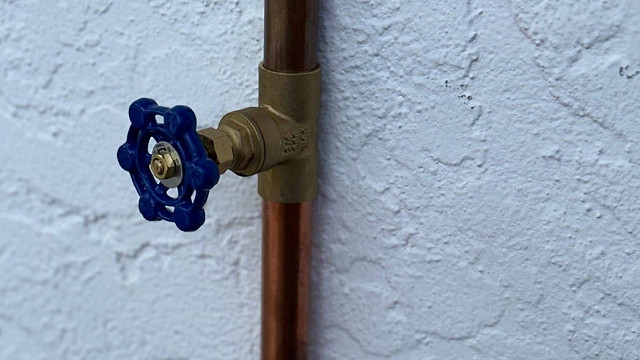
Every household member should know the location of the main water shutoff valve and how to operate it. In an emergency, shutting off water supply immediately can prevent thousands of dollars in water damage. Keep necessary tools (wrench or valve key) near the shutoff location.
5. Service Your Heating System
A well-maintained heating system is essential for preventing frozen pipes. Schedule annual furnace maintenance before winter to ensure reliable operation during cold snaps. Change your filter, and have your HVAC system inspected and maintained as necessary.
During Winter: Active Protection Measures
Maintain Adequate Indoor Temperatures
Consistent heating is critical for pipe protection:
- Set thermostats to maintain at least 12-15°C (55-60°F) throughout your home, even overnight
- Never set thermostats below 13°C when temperatures drop below freezing outside
- Keep interior doors open to promote warm air circulation to all areas
- Open cabinet doors under sinks to allow warm air to reach pipes
- Close garage doors to protect any water lines in that space
Let Faucets Drip During Extreme Cold
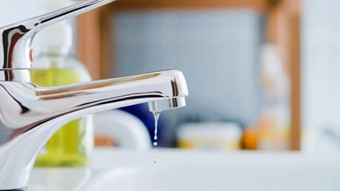
When temperatures are forecast to drop below -15°C, allowing faucets to drip slightly can prevent freezing:
- A small trickle (about the width of a pencil lead) is sufficient–Focus on faucets served by pipes running through exterior walls or unheated spaces–Open both hot and cold taps to protect both supply lines
- The flowing water prevents static ice formation and relieves pressure While this does waste some water, the cost is negligible compared to burst pipe damage and restoration expenses.
Monitor Vulnerable Areas:
- During cold spells, regularly check areas where pipes are at risk
- Feel pipes in exposed areas—if they're very cold to touch, increase heat or add insulation–Check for reduced water pressure or flow, which may indicate freezing has begun–Monitor weather forecasts and take additional precautions when extreme cold is predicted
- Pay attention to wind direction
- north-facing walls face greatest exposure
Special Considerations for Property Managers and Investment Properties
Vacant Property Protocols: Vacant properties face an elevated freeze risk.
Implement these protocols:
Option 1: Maintain Heat
- Keep heating system operating at minimum 13°C
- Conduct regular property inspections (minimum twice weekly during cold weather)
- Install remote temperature monitoring systems with alerts
- Document all precautions for insurance compliance
Option 2: Winterize the Property
If the property will be vacant for extended periods:
- Shut off main water supply
- Drain all pipes by opening all faucets (highest and lowest points)
- Flush toilets and add RV antifreeze to toilet bowls, drains, and traps
- Drain water heater following manufacturer instructions
- Drain washing machine hoses
- Add antifreeze to drain traps
- Document the winterization process with photos and record
Insurance Requirements and Documentation
- Most comprehensive home insurance policies cover frozen pipe damage, but coverage requires property owners to take reasonable preventative measures
Insurance companies may deny claims if:
- Heat was not maintained at required minimum temperatures during owner absence
- Properties were not checked at required intervals (typically every 48-72 hours)
- Basic winterization steps were not taken
- Evidence shows negligence or lack of reasonable care
Property managers should:
- Review insurance policy requirements for winter property maintenance
- Maintain detailed inspection logs with dates, temperatures, and observations
- Photograph winterization measures taken
- Establish written protocols for extreme cold events
- Communicate clearly with property owners about winterization requirements and costs
Communication with Tenants
For rental properties, provide tenants with clear written instructions:
- Explain the importance of maintaining minimum temperatures
- Describe locations of vulnerable pipes and protective measures
- Provide emergency contact information for after-hours Issues
- Include instructions for letting faucets drip during extreme cold
- Clarify tenant vs. landlord responsibilities for winter maintenance
Recognizing The Warning Signs of Frozen Pipes
Early detection can prevent bursts and minimize damage.
Watch for these indicators: Visual and Physical Signs
Key Visual Signs
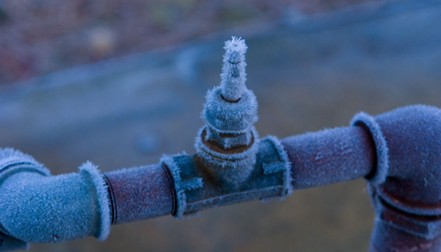
- Frost or Condensation: Exposed pipes in cold areas—such as basements, crawlspaces, garages, or attics—may develop a white, frosty coating on the exterior, indicating the water inside is freezing.
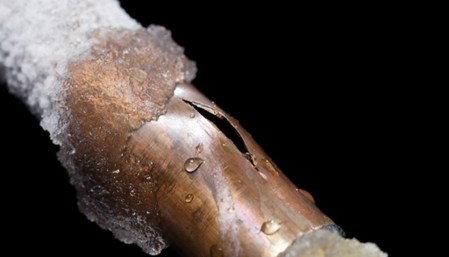
- Bulging or Swollen Pipes: When water freezes and expands, pipe walls can begin to bulge or look swollen. This is an imminent sign that bursting or cracking is likely.
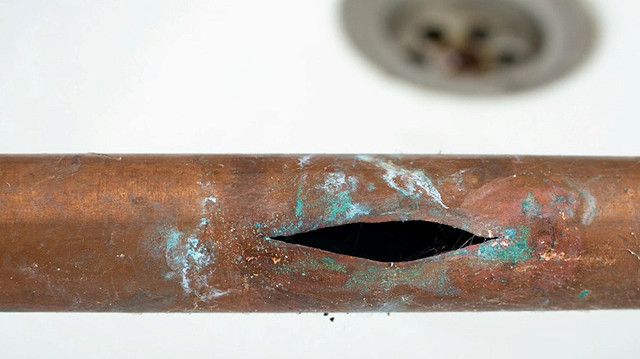
- Visible Hairline Cracks: Hairline fractures or visible cracks in exposed pipes mean the pipe has been damaged by ice expansion and could burst soon.
- Sections of Wall or Ceiling Extra Cold: Unusually cold areas on walls or ceilings might indicate a frozen pipe inside, especially in poorly insulated spaces.
Physical Signs
- Reduced Water Flow or No Water: If faucets only produce a trickle or no water, it often means a blockage from ice buildup inside the pipe.
- Unusual Noises: Pipes may emit banging, clanking, gurgling, or bubbling sounds as water struggles to pass ice blockages.
- Bad Smells or Odors: Foul odors from drains or pipes can occur when ice blocks airflow, causing sewer gases to back up.
Additional Physical Checks
- Consistent Dripping Faucets: Persistent drips may indicate pressure buildup behind an ice blockage, which could precede a burst.
- Pipes Feeling Hollow or Dense: Tapping a frozen pipe will result in a different, dull sound compared to a pipe with flowing water; the pipe often feels colder and denser than usual.
If you spot any of these symptoms, it's important to act quickly—thawing pipes or calling a plumber could save you from extensive property and water damage.
Testing Water Flow
During extreme cold, test water flow at different fixtures:
- Turn on faucets throughout the property
- Note any fixtures with reduced or no flow
- Check both hot and cold water lines
- Test fixtures in unheated areas first- If you discover reduced or stopped flow, take immediate action to thaw pipes before bursting occurs.
Emergency Response: When Pipes Freeze or Burst
If you discover frozen pipes (before bursting) quick action can prevent a frozen pipe from bursting:
Step 1: Locate the Frozen Section
- Identify which fixture has no water flow
- Trace the supply line backward to find the frozen section
- Feel along exposed pipes for extremely cold sections or frost
Step 2: Open the Affected Faucet
- Turn on both hot and cold taps
- This relieves pressure and allows melted water to escape as thawing occurs
Step 3: Apply Gentle Heat. Safe thawing methods include:
- Hair dryer: Apply warm air along the pipe, working from the faucet toward the frozen section
- Heating pad: Wrap electric heating pads around accessible frozen pipes
- Warm towels: Soak towels in hot water and wrap around frozen pipes, replacing frequently
- Space heater: Place in the room to warm the air around pipes (maintain safe distance from combustibles)
- Increase room temperature: Turn up thermostat and open cabinet doors to direct heat to pipes
NEVER use these dangerous methods:
- Open flame (blowtorch, propane heater)
- High-heat sources that can damage pipes or create fire hazards
- Attempting to thaw pipes inside walls without professional help
Step 4: Call a Professional
If you cannot locate the frozen section of pipe, the pipe is inaccessible, or you're uncomfortable with DIY thawing, call a licensed plumber immediately.
Okanagan plumbing professionals have specialized equipment for safe, effective pipe thawing.
If a Pipe Bursts: Immediate Action Steps
A burst pipe requires immediate emergency response to minimize water damage.
Immediate Actions (First 5 Minutes):
Shut off the main water supply
– Locate your main water shutoff valve and turn it off immediately. This is the single most important action to prevent catastrophic flooding
- Turn off electricity to affected areas
- If water is near electrical outlets, wiring, or appliances, shut off power at the breaker panel to prevent shock hazards and electrical fires
- Open faucets – Turn on all faucets to drain remaining water from the system and relieve pressure
- Document the damage – Take photos and videos of all affected areas for insurance claims. Document water levels, damaged belongings, and the burst pipe location
- Call emergency restoration services – Contact a 24/7 water damage restoration company immediately.
If you need flooding help, call Total Restoration Services 24-hour emergency Response Team at 250-558-1412 in Vernon or 250-832-9717 in Salmon Arm
- Professional response within the first hour significantly reduces total damage and restoration costs.
- Notify your insurance company – Report the claim as soon as possible. Many insurers have 24-hour claim reporting lines.
Secondary Actions (Next 30 Minutes):
- Begin water removal using towels, mops, or wet/dry vacuum if safe to do so
- Move valuables, furniture, and belongings away from water
- Place buckets under active leaks from ceiling or walls
- Open windows for ventilation if outdoor temperature permits
- Remove standing water from floors to prevent subfloor damage
Why Professional Restoration is Essential
Many property owners underestimate water damage severity after a burst pipe. Professional restoration services provide:
Immediate Water Extraction
- Industrial-grade pumps and extractors remove water 100x faster than household equipment
- Immediate response prevents water migration to additional areas
- Reduces total drying time and overall damage
Scientific Drying and Monitoring
- Thermal imaging identifies hidden moisture in walls, floors, and ceilings- Moisture meters track drying progress scientifically
- Commercial dehumidifiers and air movers create optimal drying conditions
- Prevents mold growth (which can begin within 24-48 hours)
Structural Assessment
- Professional inspection identifies structural damage requiring repair
- Assessment of insulation, drywall, flooring, and building materials
- Documentation for insurance claims and repair planning
Insurance Claims Support
- Detailed documentation and photographic evidence
- Accurate damage assessment and scope of work
- Direct communication with insurance adjusters Streamlined claims process
Attempting DIY cleanup of significant water damage often results in incomplete drying, hidden moisture problems, mold growth, and long-term structural issues that cost more to remediate later.
Insurance Considerations and Claims Process
Understanding Your Coverage
Most comprehensive home insurance policies in Canada cover water damage from frozen or burst pipes, subject to some very important conditions
Typically Covered:
- Water damage to structure and contents from burst pipes
- Emergency repairs to stop water flow
- Professional water extraction and structural drying
- Repair or replacement of damaged building materials
- Mold remediation resulting from burst pipe water damage
- Temporary housing if home is uninhabitable during repairs
Typical Exclusions or Limitations:
- Damage from lack of reasonable care or maintenance
- Properties where heat was not maintained at minimum required temperature
- Vacant properties not checked at required intervals
- Pipe bursts in unheated portions of buildings (some policies)
- Pre-existing pipe damage or deterioration
Policy Requirements:
Insurance policies typically require:
- Maintaining minimum interior temperature (usually 15°C) when property is unoccupied
- Regular property checks during vacancy (every 48-72 hours is common)
- Taking reasonable steps to prevent frozen pipes (insulation, winterization)
Immediate action to minimize damage once discovered
Failure to meet these requirements can result in complete claim denial.
Documenting for Claims
Thorough documentation strengthens your insurance claim
Preventative Measures Documentation:
- Photographs of pipe insulation installed
- Records of heating system maintenance
- Property inspection logs (for vacant properties)
- Receipts for winterization materials and services
Damage Documentation:
- Photos and videos of all water damage
- Images of the burst pipe location
- Documentation of water levels and affected areas
- List of damaged belongings with photos
- Receipts for emergency repairs and services
Professional Documentation:
- Restoration company assessment and moisture readings
- Plumber's report on pipe failure cause
- Detailed scope of work from restoration contractor
- Daily progress reports during restoration
Working with Adjusters
When filing a frozen pipe claim:
- Report the claim immediately—many insurers have 24-hour reporting lines
- Provide complete, accurate information about the incident
- Document all preventative measures taken prior to the freeze
- Cooperate fully with adjuster inspections and information requests
- Retain all receipts for emergency repairs and temporary housing
- Don't dispose of damaged items until adjuster inspection is complete
- Ask questions if you don't understand coverage or claim decisions
A professional restoration contractor experienced in insurance work can provide invaluable support during the claims process, including direct communication with adjusters and detailed damage documentation
Long-Term Solutions and Upgrades
Permanent Protective Measures
For properties with recurring freeze problems, consider permanent upgrades:
- Pipe Relocation
- Move vulnerable pipes away from exterior walls
- Relocate pipes from unheated areas to heated spaces
- Requires professional plumbing work but provides permanent solution
Improved Insulation
- Upgrade wall insulation in areas with vulnerable pipes
- Add insulation to crawl spaces and attics
- Create thermal barriers between pipes and cold air sources
Smart Home Technology
- Install Wi-Fi connected temperature sensors with smartphone alerts
- Smart thermostats with remote monitoring and control
- Water leak detection systems with automatic shutoff capabilities
- Freeze-detection systems that alert property managers remotely
Pipe Heat Tracing Systems
- Professional installation of electric heat trace cables
- Thermostatically controlled to activate only when needed
- Particularly useful for problematic sections that freeze repeatedly
Property Assessment
Consider hiring a professional for a comprehensive winter vulnerability assessment:
- Thermal imaging inspection to identify cold spots and air leaks
- Plumbing system evaluation for freeze-risk areas
- Insulation adequacy assessment
- Recommendations for cost-effective protective measures
The investment in assessment and upgrades is minor compared to the cost of burst pipe damage and restoration.
Okanagan-Specific Considerations
Regional Climate Patterns
The Okanagan's semi-arid climate produces unique winter characteristics:
Temperature Variability
- Daytime temperatures may rise above freezing while nights drop well below
- This freeze-thaw cycling can stress pipes and increase burst risk
- Arctic outbreaks can produce sudden, extreme temperature drops
Chinook Winds
- Warm chinook winds can create false security, followed by rapid cooling
- Wind chill on exposed north-facing pipes increases freeze risk
- Variable conditions require vigilant monitoring rather than complacency
winter characteristics:
Temperature Variability
- Daytime temperatures may rise above freezing while nights drop well below
- This freeze-thaw cycling can stress pipes and increase burst risk
- Arctic outbreaks can produce sudden, extreme temperature drops
Chinook Winds
- Warm chinook winds can create false security, followed by rapid cooling
- Wind chill on exposed north-facing pipes increases freeze risk
- Variable conditions require vigilant monitoring rather than complacency
Microclimates
- Valley bottom properties experience different conditions than hillside locations
- Properties near water bodies may have moderating effects
- Shaded north-facing properties face extended freeze risk
Local Resource Connections
Build relationships with local service providers before winter emergencies:
Emergency Contacts:
- 24/7 restoration services (keep contact information readily accessible)
- Licensed plumbers familiar with local conditions
- Heating system repair technicians
- Your insurance broker or agent
Seasonal Preparations:
- Schedule annual heating system maintenance in October/November
- Complete outdoor winterization before first hard freeze (typically mid-November)
- Review insurance policy requirements and coverage limits annually
- Update emergency contact lists for property managers and tenants
Community Resources
The North Okanagan community offers valuable resources:
- Local hardware stores stock pipe insulation, heat tape, and winterization supplies
- Regional plumbing and HVAC companies understand Okanagan
- specific challenges
- Municipal websites often provide winter preparedness information
- Community emergency preparedness programs offer education and support
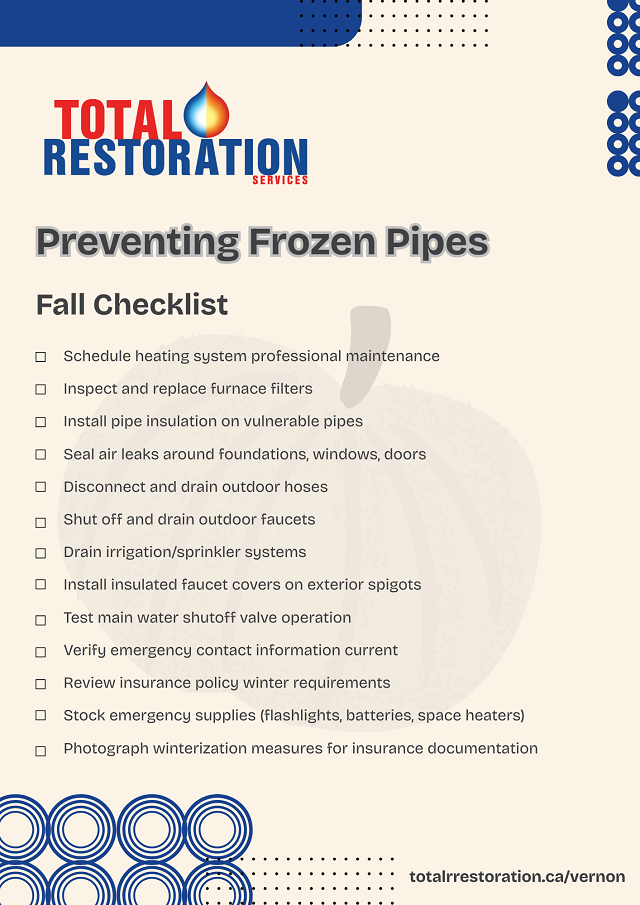
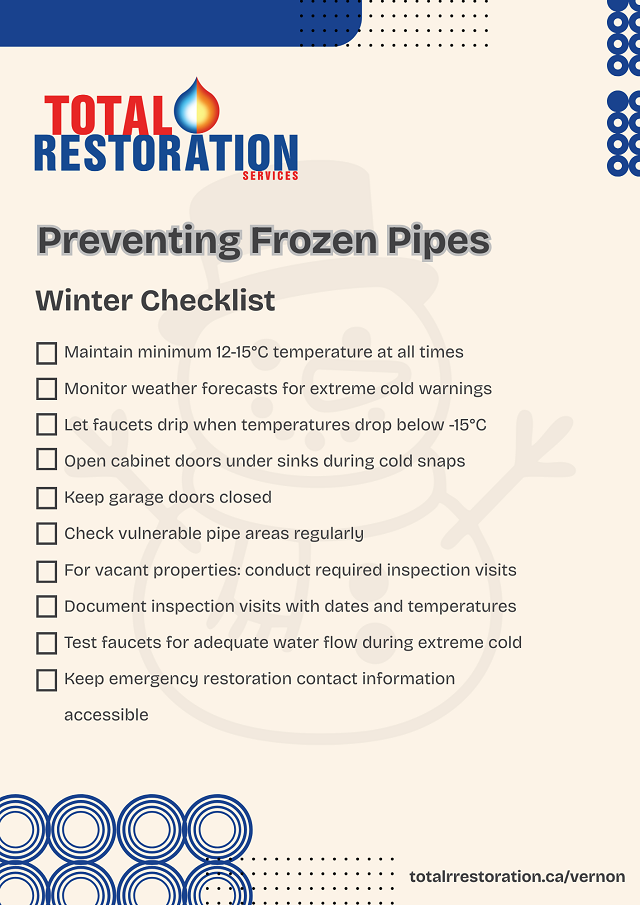
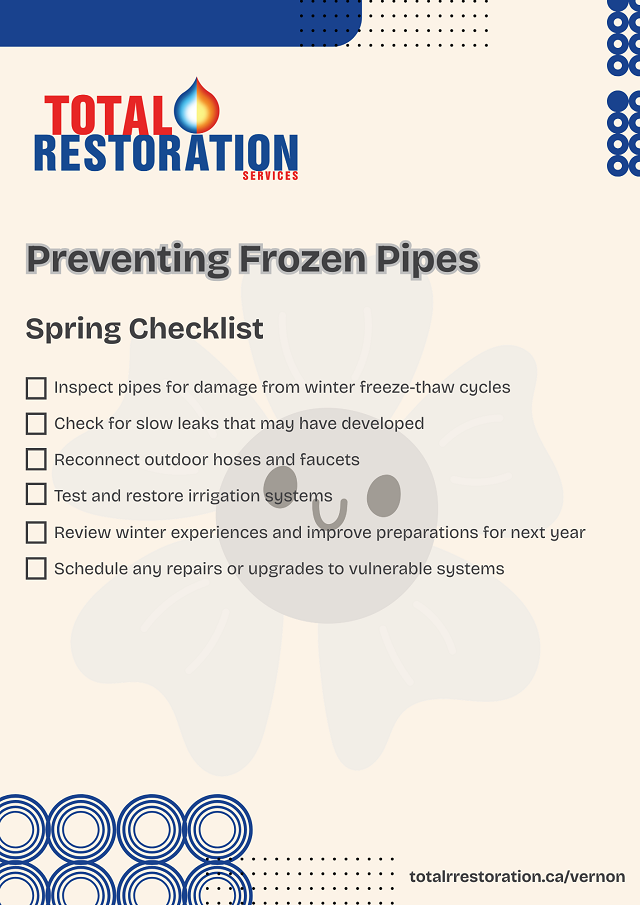
Seasonal Checklist
Cost-Benefit Analysis: Prevention vs. Remediation
Preventing freezing pipes is significantly more cost-effective than remediating damage after a pipe has frozen and burst. Remediation can involve extensive repairs, water extraction, property restoration, and even mold remediation, while prevention usually only requires modest investments in insulation and monitoring equipment.
Prevention Costs
- Pipe insulation: Installation typically costs a few dollars per linear foot, with most homes spending $100–$500 for basic insulation of vulnerable pipes.
- Heat trace cables: These cost about $50–$200 per application, especially for pipes in unheated spaces.
- Leak detectors/monitoring equipment: Devices can be installed for $50–$300, often with multi-year lifespans.
- Seasonal precautions: Shutting off and draining outdoor faucets is free and takes minimal time.
Remediation Costs
- Plumbing repair (burst pipe): $300–$1,000 per section, depending on material and accessibility.
- Water extraction and cleanup: $1,000–$6,000 depending on scale and whether structural drying is required.
- Drywall, flooring, and insulation replacement: $2,000–$10,000 or much more for severe damage.
- Mould remediation (if delayed): $1,500–$6,000.
- Average insurance claim (Canada): $16,000 per incident, with some cases reaching $75,000 or more for extensive damage.
Indirect/Hidden Costs
- Higher utility bills from lost water and heating inefficiency can last for months.
- Potential increased insurance premiums after a claim.
- Business interruption and downtime for commercial properties, sometimes far exceeding direct repair costs.
The Return on Investment
Investing in prevention measures provides protection against damage is farm more cost effective than remediation. Even if insurance covers the damage, property owners face:
- Insurance deductibles ($500-$5,000 typical)
- Premium increases following claims
Displacement and inconvenience during repairs
- Risk of claim denial due to inadequate prevention
- Lost rental income for investment properties
|
Aspect |
Prevention (Annual) |
Remediation (Per Incident) |
|
Materials/Insulation |
$100–$500 |
$300–$1,000 |
|
Monitoring equipment |
$50–$300 |
N/A |
|
Water damage remediation |
N/A |
$1,000–$6,000 |
|
Structural repairs |
N/A |
$2,000–$10,000 |
|
Mould remediation |
N/A |
$1,500–$6,000 |
|
Insurance claims |
N/A |
Avg. $16,000 |
|
Time/business interruption |
Minimal |
Days–weeks |
Takeaway
For homeowners and businesses alike, proactively investing a few hundred dollars annually in pipe insulation and monitoring can prevent multi-thousand-dollar emergencies and substantial disruption. Prevention also protects property resale value and insurance eligibility, helping avoid the long-term effects of water damage and mold.
Prevention costs are low, predictable, and recurring, while remediation costs are high, disruptive, and unpredictable.
Frozen pipes represent a serious but preventable risk for Okanagan property owners. The region's winter climate—characterized by periodic extreme cold events, temperature variability, and extended freezing periods—requires proactive, comprehensive protection strategies.
By implementing the preventative measures outlined in this guide, property owners can:
- Significantly reduce frozen pipe risk
- Protect property value and structural integrity
- Avoid costly water damage and restoration expenses
- Maintain insurance coverage compliance
- Ensure peace of mind during winter months
The key principles of effective frozen pipe prevention are:
1. Prepare before winter with insulation, sealing, and winterization
2. Maintain vigilance during winter with adequate heating and monitoring
3. Respond immediately to warning signs or freeze events
4. Partner with professionals for restoration emergencies and long-term solutions
For property managers and owners of rental or investment properties, establishing clear protocols, maintaining thorough documentation, and ensuring tenant education are essential components of comprehensive risk management.
Remember: the investment in prevention is minimal compared to the disruption, expense, and stress of burst pipe water damage. Taking action now protects your property, your investment, and your peace of mind throughout the winter season.
Emergency Contacts and Resources
For Emergency Restoration Services (24/7):
Total Restoration Services 24-hour emergency Response Team at 250-558-1412 in Vernon or 250-832-9717 in Salmon Arm
Additional Resources:
- Insurance Bureau of Canada: www.ibc.ca
- BC Climate Change Adaptation: www.bcclimatechangeadaptation.ca
- Government of BC Emergency Management:
- www.gov.bc.ca/emergencymanagement
- Canadian Red Cross - Home Safety: www.redcross.ca