What home insurance actually covers after fire or water damage
For most homeowners in the Okanagan, a house is the largest investment they will ever make. When disaster strikes in the form of a burst pipe or a kitchen fire, the immediate stress is often followed by a wave of confusion regarding insurance. Navigating policy language during a crisis is difficult, but understanding the basics of coverage can make the recovery process much smoother.
Common coverage misconceptions
A common myth is that all water damage is created equal in the eyes of an insurer. Most standard policies cover "sudden and accidental" water damage, such as a water heater failing or a dishwasher line snapping. However, gradual damage is often excluded because it falls under maintenance.
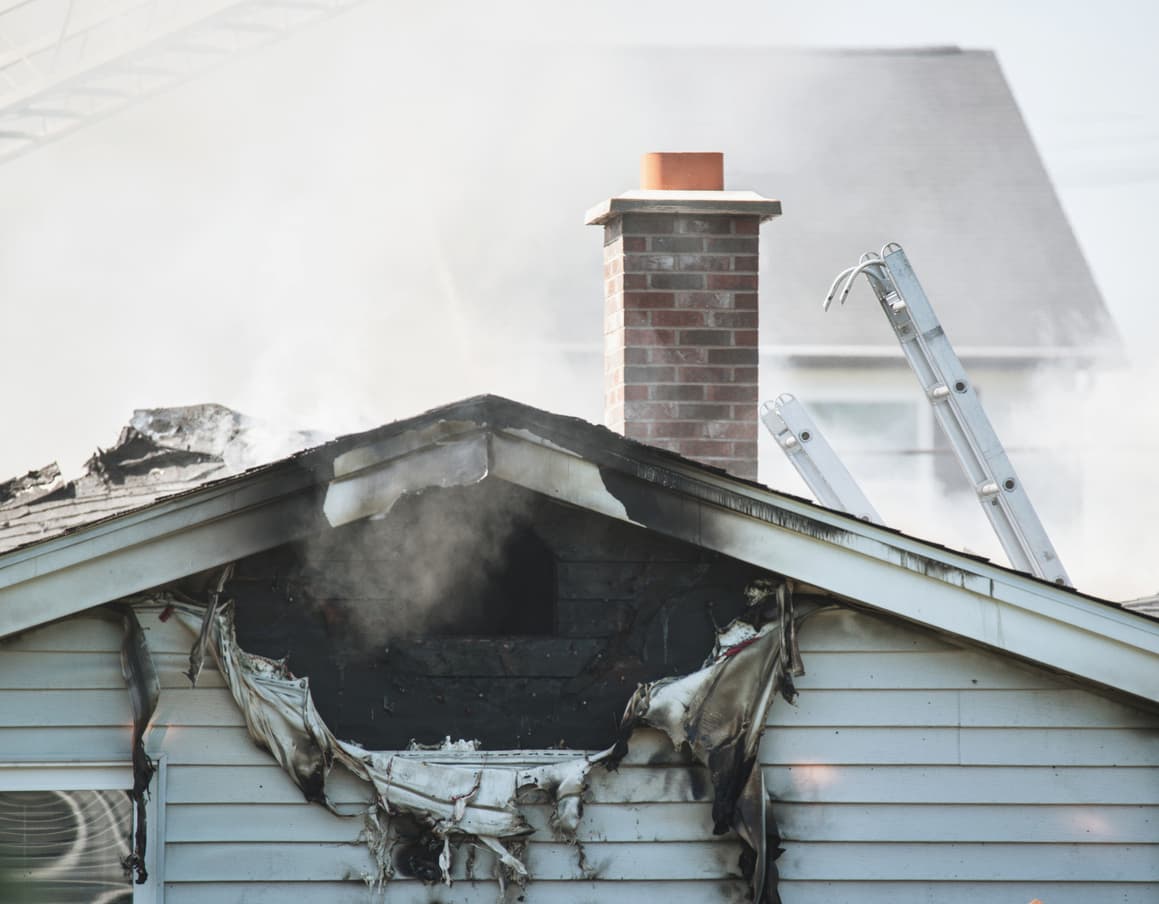
Similarly, fire coverage usually includes damage from the flames themselves, but it also covers the pervasive smoke and soot that can ruin electronics and upholstery blocks away from the actual fire.
Understanding the role of mitigation
In insurance terms, "mitigation" is your legal obligation to prevent further damage once a loss has occurred. If a pipe bursts, you are expected to shut off the water and call in professional restoration companies to start the drying process immediately. If you wait several days and mold begins to grow, your insurer may deny the mold portion of the claim because you failed to mitigate the initial dampness. This is why having a relationship with trusted restoration companies is vital; they provide the documentation and rapid response your adjuster needs to approve a claim.
Navigating the claim process
When you file a claim, your insurer will likely send an adjuster to assess the value of the loss. It is important to remember that you have the right to choose which professionals work on your home. Selecting a team specialized in restoration Kelowna ensures that the technicians are familiar with local building codes and environmental factors unique to our region. A reputable provider for restoration in Kelowna will provide a detailed estimate that aligns with industry standards, making it easier for your insurance company to process the paperwork.
Understanding your policy limits and deductibles before an emergency happens is the best way to ensure you aren't caught off guard. While insurance provides the financial safety net, professional restoration ensures your home is actually safe to live in again.